Why PTFE Thread? / なぜポリテトラフルオロエチレン糸なのか
When designing a product, selecting the most suitable materials is an incredibly enjoyable process. Texture, scent, design, durability, and ease of use—all of these factors are tied to the materials chosen. The joy of finding the perfect material is truly special.
プロダクトを考える際に、最適な材料を選定する作業は非常に楽しいものです。質感、香り、デザイン、耐久性、そして扱いやすさなど、すべてが材料に密接に関わります。納得のいく材料を見つけたときの喜びは格別です。
Selecting the right thread for sewn products was a challenge. No matter how durable the fabric is, if the thread breaks, the product loses its functionality. In addition to high tensile strength, the thread must also have resistance to long-term degradation from UV exposure and acid rain.
裁縫製品において、糸の選定には苦労しました。いくら丈夫な生地を使っても、糸が切れてしまえば製品の機能は失われてしまいます。糸自体の強度はもちろんのこと、UVや酸性雨などの経年劣化に対する耐性を備えている必要があります。
This time, I would like to briefly explain the reasons for selecting Polytetrafluoroethylene (PTFE) thread during the thread selection process, as well as a brief history of PTFE. The key points to focus on are its “UV resistance” and “wear resistance.” First, let’s start with an overview of PTFE.
今回は、糸選定の過程でポリテトラフルオロエチレン(PTFE:Polytetrafluoroethylene)糸を選んだ理由と、PTFEの歴史について簡単に説明したいと思います。特に注目すべき点は「紫外線への耐性」と「摩耗のしにくさ」です。まずは、PTFEの概要からご紹介します。
Overview of PTFE / ポリテトラフルオロエチレンの概要
PTFE (polytetrafluoroethylene) is a type of fluoropolymer that possesses multiple characteristics, including non-stick properties, low friction, chemical resistance, weather resistance, electrical properties, and heat resistance. Due to these exceptional properties, it is classified as a super engineering plastic.
PTFE(polytetrafluoroethylene / ポリテトラフルオロエチレン)は、フッ素樹脂のひとつで、非粘着性・低摩擦性・耐薬品性・耐候性・電気特性・耐熱性といった複数の特性を兼ね備えています。また、それらの優れた特性からスーパーエンジニアリングプラスチックに分類されます。
PTFE is also well known under the brand name “Teflon™.” Strictly speaking, “Teflon™” includes other fluoropolymers, but since PTFE has the highest production and usage among them, it is commonly recognized as synonymous with Teflon.
PTFEは「テフロン™」の商品名でも有名です。厳密に言えば、「テフロン™」は他のフッ素樹脂を含むのですが、フッ素樹脂の中でも生産量・使用量共にPTFEが最も多いため、一般には「テフロン=PTFE」と認知されています。
The exceptional properties of PTFE stem from its extreme resistance to reacting with other substances, which is attributed to its strong atomic bonds and unique resin structure. This can be easily understood when compared to hydrocarbon-based resins composed of hydrogen and carbon. Below is a comparison of the structures of PE (Polyethylene) and PTFE.
PTFEの優れた特性は、PTFEが他の物質と極めて反応し難いことを意味し、「原子の結合の力」や「樹脂構造」に起因しています。水素と炭素からなる炭化水素系の樹脂と比較すると容易に理解することができます。以下にPE(Polyethylene / ポリエチレン)とPTFEの構造を示します。

When comparing the structural formulas of PE and PTFE, PE consists of carbon (C) and hydrogen (H), while PTFE consists of carbon (C) and fluorine (F). The main chain in both polymers is composed of C-C bonds, but they differ in the side chains: PE has carbon-hydrogen (C-H) bonds, whereas PTFE has carbon-fluorine (C-F) bonds. The bond energy of a C-H bond is 412 kJ/mol, while that of a C-F bond is 484 kJ/mol. This means that PTFE has stronger and more stable bonds. As a result, PTFE exhibits high resistance to chemical reactions, with its strong atomic bonds being one of the key factors behind this property.
PEとPTFEを構造式で比較すると、PEは炭素(C)と水素(H)、PTFEは炭素(C)とフッ素(F)から成り立っています。主鎖のC-Cの結合は同じですが、側鎖の炭素と水素の結合(C-H)と炭素とフッ素の結合(C-F)の部分で異っています。このときC-H結合の結合エネルギーは412kJ/molであり、C-F結合の結合エネルギーは484kJ/molです。PTFEの方が強固に結合しており、より安定していると言うことになります。このようにPTFEは、「原子の結合の力」が強く、PTFEが他の物質と極めて反応し難い一つの要因となっています。
When comparing the resin structures of PE and PTFE, PE has a zigzag structure, while PTFE has a helical structure. This difference is due to the repulsion between fluorine atoms in PTFE. In the case of PE, hydrogen atoms can be bypassed, making the C-H and C-C bonds susceptible to attack. However, in PTFE, the fluorine atoms form a helical shield around the molecule, making it much more resistant to internal attacks. This unique resin structure contributes to PTFE’s extreme resistance to reactions with other substances.
また、PEとPTFEを樹脂構造で比較すると、PEはジグザグ構造、PTFEは螺旋構造となっています。これはフッ素原子同士が反発しあっていることに起因します。PEの場合は、水素原子をすり抜けてC-H結合やC-C結合が攻撃され得ますが、PTFEの場合は、フッ素が螺旋状に覆っているためPTFE分子鎖の内側を攻撃され難いという特徴があります。このようにPTFEは、攻撃され難い「樹脂構造」を有しており、PTFEが他の物質と極めて反応し難い一つの要因となっています。
PTFE was discovered in 1938 by Dr. R.J. Plunkett (1910–1994) of DuPont while researching chlorofluorocarbons. It was found as a resin that had solidified inside a tetrafluoroethylene gas cylinder. Subsequently, DuPont registered the trademark “Teflon™,” and after World War II, PTFE products began to be used in civilian applications. Even more than half a century after its discovery, PTFE remains an essential material in numerous industries, including semiconductors, chemical engineering, and the automotive and aerospace sectors.
PTFEは、1938年に米国デュポン社の R.J. プランケット博士(1910-1994)がクロロフルオロカーボン類の研究中に、テトラフルオロエチレンのボンベ内に固着した樹脂から発見されました。その後、デュポン社により「テフロン™」の商標が登録され、第二次世界大戦後にはPTFE製品が民間で利用されるようになっていきました。PTFEは、発見から半世紀以上経った今日でも半導体分野、化学工業分野、自動車航空宇宙分野をはじめ数多くの産業でなくてはならない材料となっています。
Characteristics of PTFE Thread / ポリテトラフルオロエチレン糸の特徴
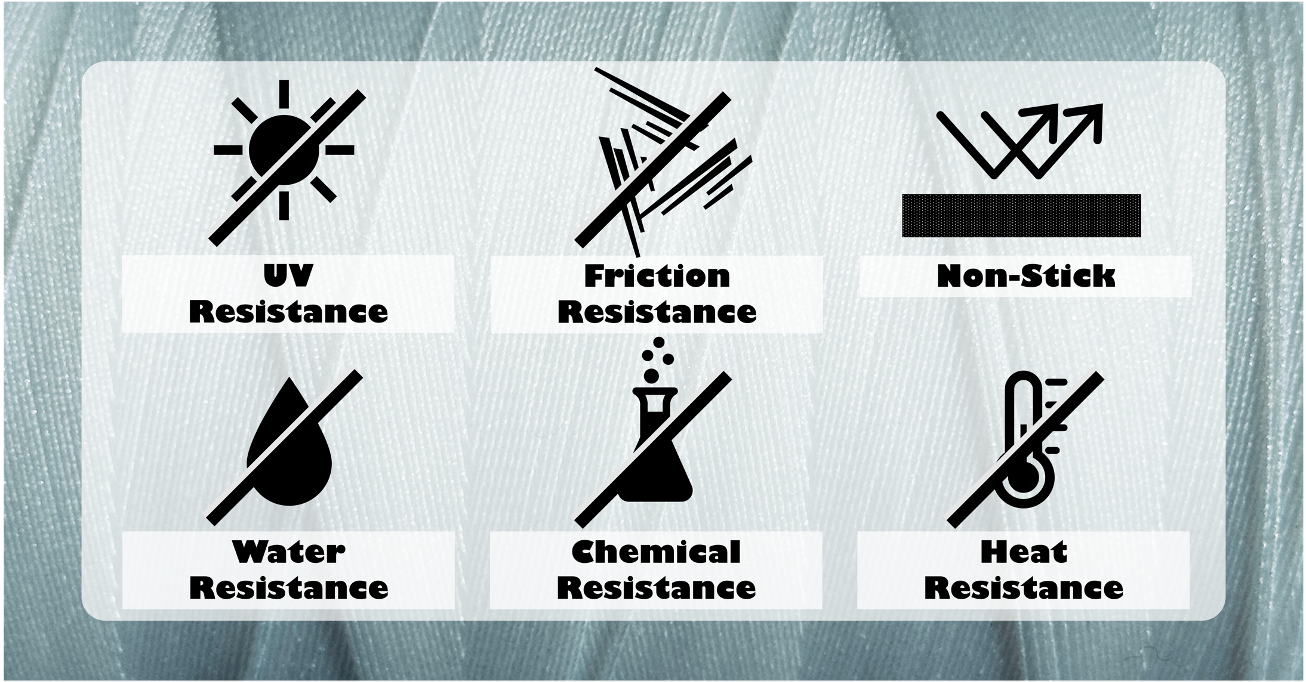
1. UV Resistance / UV耐性
PTFE is completely resistant to UV degradation and can maintain its performance for long periods even in harsh outdoor environments. This makes it particularly beneficial for extending the lifespan of products used outdoors.
PTFEは、紫外線による劣化が全く無く、過酷な屋外環境に晒されても長期間性能を維持できます。特に、野外で使用される製品にとっては、製品の長寿命化に貢献することができます。
2. Friction Resistance / 耐摩耗性
PTFE has the lowest coefficient of friction among all known materials, making it highly resistant to wear. By reducing friction and abrasion with fabrics, it contributes to enhanced product strength and longevity.
PTFEは、現在までに発見されている物質の中で最も摩擦係数の小さい材料であり、非常に摩耗しにくい素材です。生地との摩擦や摩耗を抑制できるため、製品の強度及び長寿命化に貢献することができます。
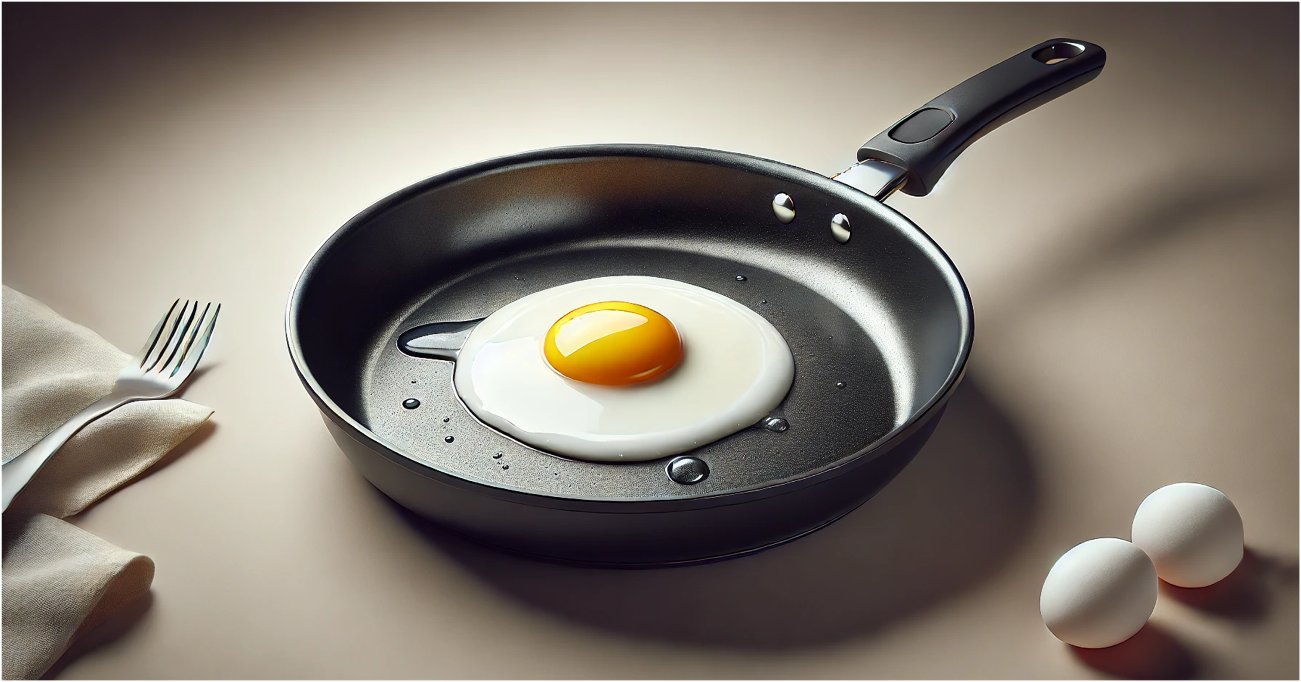
3. Non-Stick / 非粘着性
PTFE has a chemically stable molecular structure, making it highly resistant to adhesion and interaction with most substances. This non-stick property prevents foreign matter from adhering, helping to maintain the quality of the thread.
PTFEは化学的に安定した分子構造を持つため、ほとんどの物質を寄せ付けにくく、なじみにくい特性があります。この非粘着性により、異物の付着を防ぎ、糸の品質を維持することができます。
4. Water Resistance / 疎水性
PTFE has an almost zero water absorption rate, ensuring no swelling or loss of strength even when used in water. Additionally, as a hydrophobic material, it is resistant to hydrolysis and other forms of degradation, contributing to enhanced product strength and longevity.
PTFEは、吸水率はほとんどゼロに等しく、水中などで使用しても吸水による膨潤、強度の低下が生じません。疎水性素材のため加水分解などの劣化と無縁であり、製品の強度及び長寿命化に貢献することができます。
5. Chemical Resistance / 耐薬品性
PTFE is chemically highly stable and can withstand strong acids and alkalis at room temperature. Its resistance to degradation from acid rain and corrosion from various chemicals contributes to enhanced product strength and longevity.
PTFEは、化学的に非常に安定であり、常温であれば強酸・強アルカリにも耐えます。酸性雨による劣化や各種薬品による腐食にも強いため、製品の強度及び長寿命化に貢献することができます。
6. Heat Resistance / 耐熱性
PTFE exhibits excellent heat and cold resistance, maintaining stable performance across a wide temperature range from -250°C to 260°C. As a result, it does not undergo shape deformation, thermal decomposition, or embrittlement even in extreme environments. Additionally, its molecular structure makes it resistant to bonding with oxygen, giving it flame-retardant properties that make it difficult to ignite and spread flames.
PTFEは優れた耐熱性・耐寒性を備えており、-250℃から260℃までの幅広い温度範囲で安定した性能を発揮します。そのため、過酷な環境でも形状の変化、熱分解、脆化が起こりません。また、酸素と結合しにくい分子構造を持つため、燃えにくく、燃え広がりにくい難燃性素材です。
Summary / まとめ
As described above, polytetrafluoroethylene (PTFE) is a material that offers exceptional durability and weather resistance. In fabric products, the seams are their lifeline, and the durability and weather resistance of the thread directly impact the product’s lifespan. No matter how carefully the fabric, buttons, or zippers are selected, a broken sewing thread renders the product unusable. PTFE thread is an essential material in PiroshiParoshi’s craftsmanship.
以上のように、ポリテトラフルオロエチレン(PTFE:Polytetrafluoroethylene)は、非常に高い耐久性・耐候性を兼ね備えた素材です。生地製品の生命線は裁縫部です。糸自体の耐久性・耐候性は、製品の寿命に直結します。例え、生地やボタン、ファスナまで選び抜いたとしても、縫製糸が切れてしまえば、製品を使い続けることはできません。PTFE糸はピロシパロシのものづくりにおいて、必要不可欠な材料の一つです。